
When it comes to makeup application, choosing the right tools can enhance the longevity and refinement of your look. Airbrush makeup kits and traditional makeup each have their unique advantages, and the choice between the two depends on various factors such as the occasion, skin type, desired finish, and personal preference. This article will present a comparison of airbrush makeup kits and traditional makeup, highlighting their respective benefits to help you select the most suitable application method for achieving a polished appearance based on your situation and needs.
What is a Airbrush Makeup Kit?
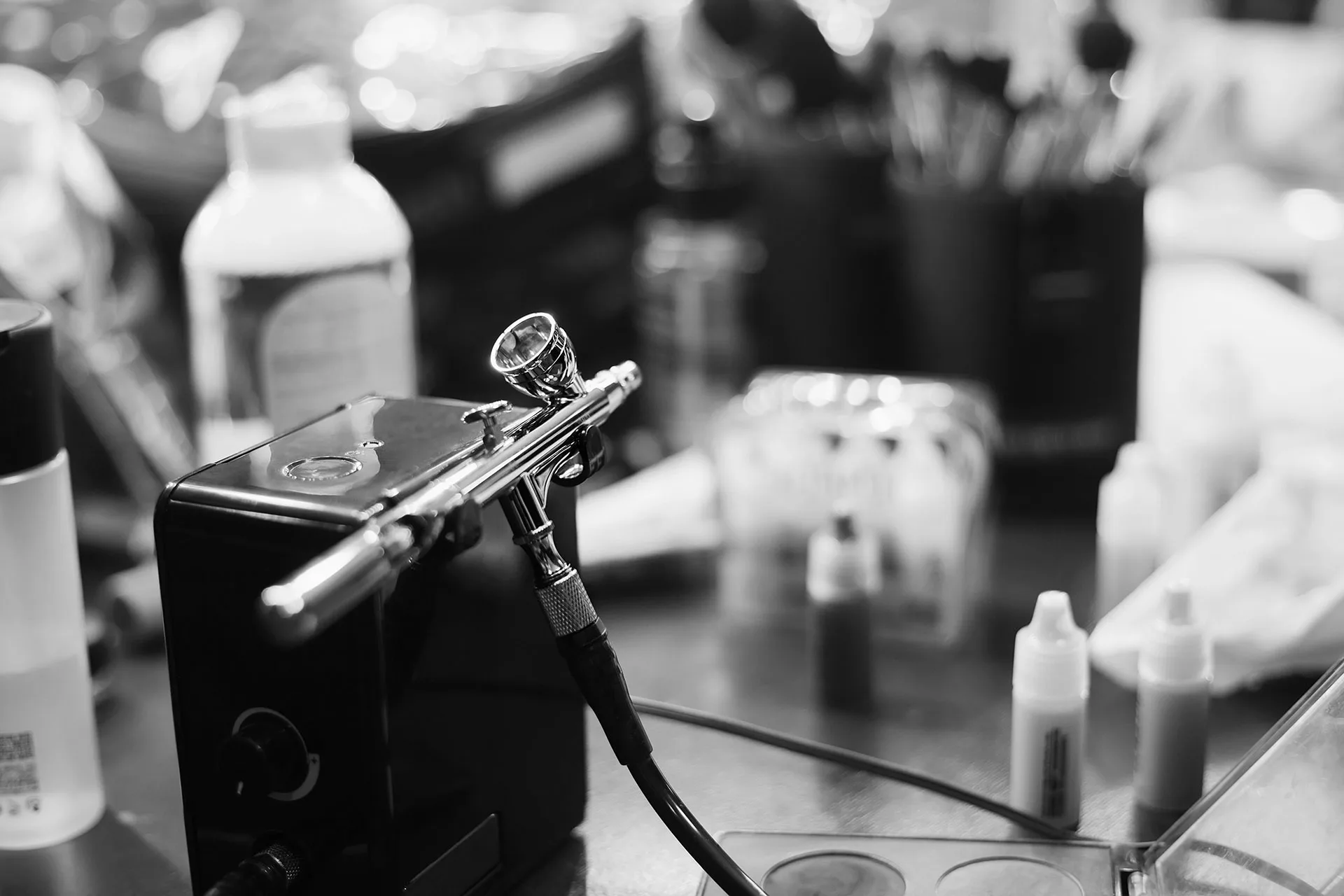
Airbrush makeup kits are specialized tools designed for applying makeup using an airbrush system. By atomizing makeup products into a fine mist, this technique creates a thin, even layer that covers the skin, providing a flawless and long-lasting makeup finish. Airbrush makeup is often preferred for special occasions such as weddings and photo shoots.

Components of an Airbrush Makeup Kit
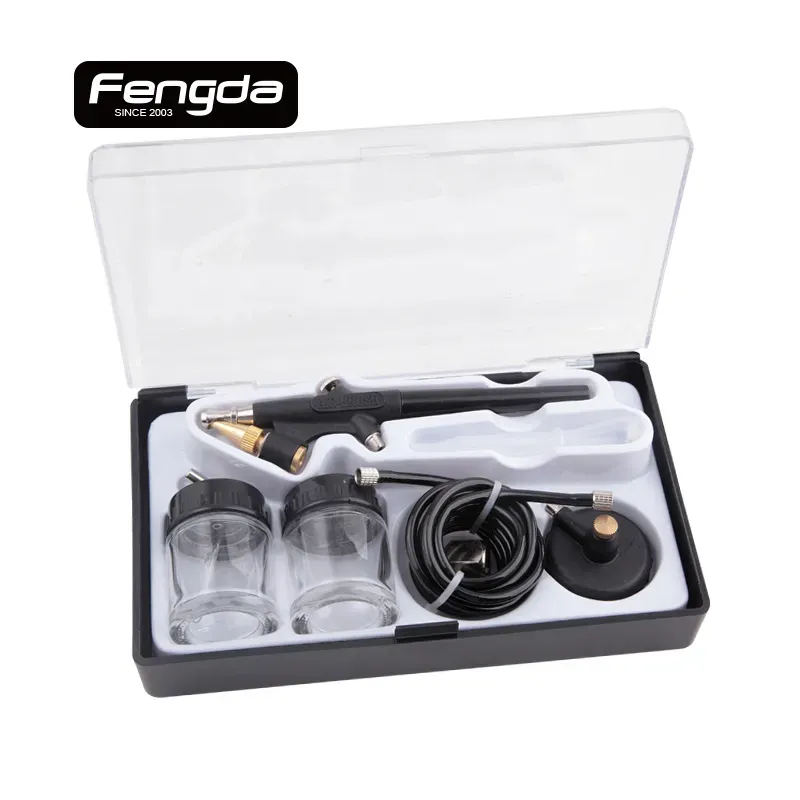
An airbrush makeup kit typically includes:
- Airbrush: The main tool that sprays the makeup in a fine mist.
- Compressor: This device powers the airbrush gun, controlling the airflow and pressure to achieve the desired makeup application.
- Makeup Products: These can include foundations, blushes, highlighters, and bronzers specifically formulated for airbrush use. The products are usually either silicone-based or water-based, allowing for a lightweight feel and buildable coverage.
- Cleaning Supplies: Kits often come with cleaning solutions to maintain the airbrush gun, ensuring hygiene and longevity of the device.

What is Traditional Makeup?
Traditional makeup refers to the use of brushes, sponges, and fingers to apply products such as foundation, concealer, blush, eyeshadow, and more. It is the most common method of makeup application and is widely accessible to everyone.
Airbrush Makeup Kit vs Traditional Makeup
The main difference between airbrush makeup kits and traditional makeup lies in their application techniques and results. Airbrush makeup uses a specialized tool to mist a fine layer of foundation onto the skin, creating a smooth, lightweight, and flawless finish. Traditional makeup is applied by hand using brushes, sponges, or fingers, providing more versatility in coverage and makeup looks.
| Category | Airbrush Makeup Kit | Traditional Makeup |
| Application Method | Uses an airbrush tool to spray fine mist of makeup onto the skin. | Applied with brushes, sponges, or fingers. |
| Finish | Provides a flawless, smooth, and even finish, ideal for high-definition results. | Varies depending on product and technique; can be natural, dewy, or matte. |
| Coverage | Buildable coverage from light to full without feeling heavy. | Coverage is also buildable, but some products may feel heavier with more layers. |
| Longevity | Long-lasting, can last 12-24 hours without touch-ups, and is often water-resistant. | Wear time varies; may require touch-ups throughout the day, especially in humid or hot conditions. |
| Skill Level | Requires practice and skill to achieve a perfect finish; can be challenging for beginners. | Easier to use, suitable for both beginners and professionals. |
| Hygiene | More hygienic as there is no direct contact with the skin. | Higher risk of contamination from brushes, sponges, or fingers if not cleaned properly. |
| Cost | Higher upfront cost for airbrush kit and specific airbrush products. | Generally more affordable with a wide range of product prices from drugstore to high-end. |
| Versatility | Best suited for foundation application; may still require traditional methods for detailed makeup areas (e.g., eyes, lips). | Extremely versatile for all types of makeup application, including eyes, lips, and face. |
| Blendability | Less blendable after it sets; layering must be done carefully. | Highly blendable, allowing for seamless transitions between products and colors. |
| Use Cases | Ideal for special occasions like weddings, photoshoots, or events requiring a flawless finish. | Suitable for everyday makeup routines and also for special occasions. |
| Skin Type Compatibility | Works well on oily or combination skin due to its lightweight and non-comedogenic properties. | Can be tailored to various skin types by choosing the right products (e.g., hydrating formulas for dry skin). |
Advantages of Airbrush Makeup:
- Flawless Finish: Airbrush makeup provides a smooth, even finish that can give a “photoshopped” effect in real life. The fine mist covers imperfections like fine lines, pores, and blemishes with precision.
- Long-Lasting: Once applied, airbrush makeup can last up to 12-24 hours without needing touch-ups, making it ideal for long events such as weddings or photoshoots. It is also water-resistant, which means it can withstand sweat and minor contact with water.
- Customizable Coverage: With airbrush makeup, you can easily control the amount of coverage by layering the product. Whether you need light, medium, or full coverage, an airbrush kit can accommodate your needs without feeling heavy on the skin.
- Hygienic Application: Since the makeup is applied with an airbrush tool that doesn’t come into direct contact with the skin, it reduces the risk of contamination from hands, brushes, or sponges.
Advantages of Traditional Makeup:
- Affordability: Traditional makeup products come in a wide range of prices, from drugstore options to high-end luxury brands. This makes it accessible to people with varying budgets.
- Ease of Use: Applying traditional makeup does not require any special equipment or technical skills. Most people are familiar with the application process, and there are plenty of tutorials and resources available to help achieve the desired look.
- Variety of Products: Traditional makeup offers a vast array of product options, including different finishes (matte, dewy, satin), shades, and formulations. This allows for more creativity and customization in makeup application.
- Blendability: Traditional makeup products can be easily blended for a more natural and seamless finish. You can use brushes, sponges, or fingers to work the product into the skin, making it easy to achieve the exact look you want.
Which is Better: Airbrush Makeup or Traditional Makeup?
The answer to this question ultimately depends on your specific needs and the occasion. Here’s a comparison to help guide your decision:
- For Special Events: If you’re attending a special event, such as a wedding, photoshoot, or any occasion where you need long-lasting and flawless coverage, airbrush makeup may be the better choice. Its ability to withstand heat, sweat, and tears while providing a camera-ready finish makes it ideal for such situations.
- For Everyday Use: For daily makeup routines, traditional makeup tends to be more practical due to its ease of use, versatility, and affordability. It’s also easier to achieve a natural, subtle look for everyday wear with traditional products.
- For Skin Type Considerations: If you have oily or acne-prone skin, airbrush makeup might be preferable due to its lightweight formula and non-comedogenic properties. However, if you have dry skin, traditional makeup with hydrating formulations might provide a better result.
Conclusion
Both airbrush makeup kits and traditional makeup methods can help you achieve a beautiful look. Airbrush makeup is ideal for creating a flawless, long-lasting finish for special occasions, while traditional makeup offers more options, affordability, and ease of use for everyday wear. If you’d like to experience the refined results that an airbrush makeup kit can provide, feel free to contact us to explore our range of kits, from basic to deluxe.