How to Choose the Right Airbrush Kit with Compressor
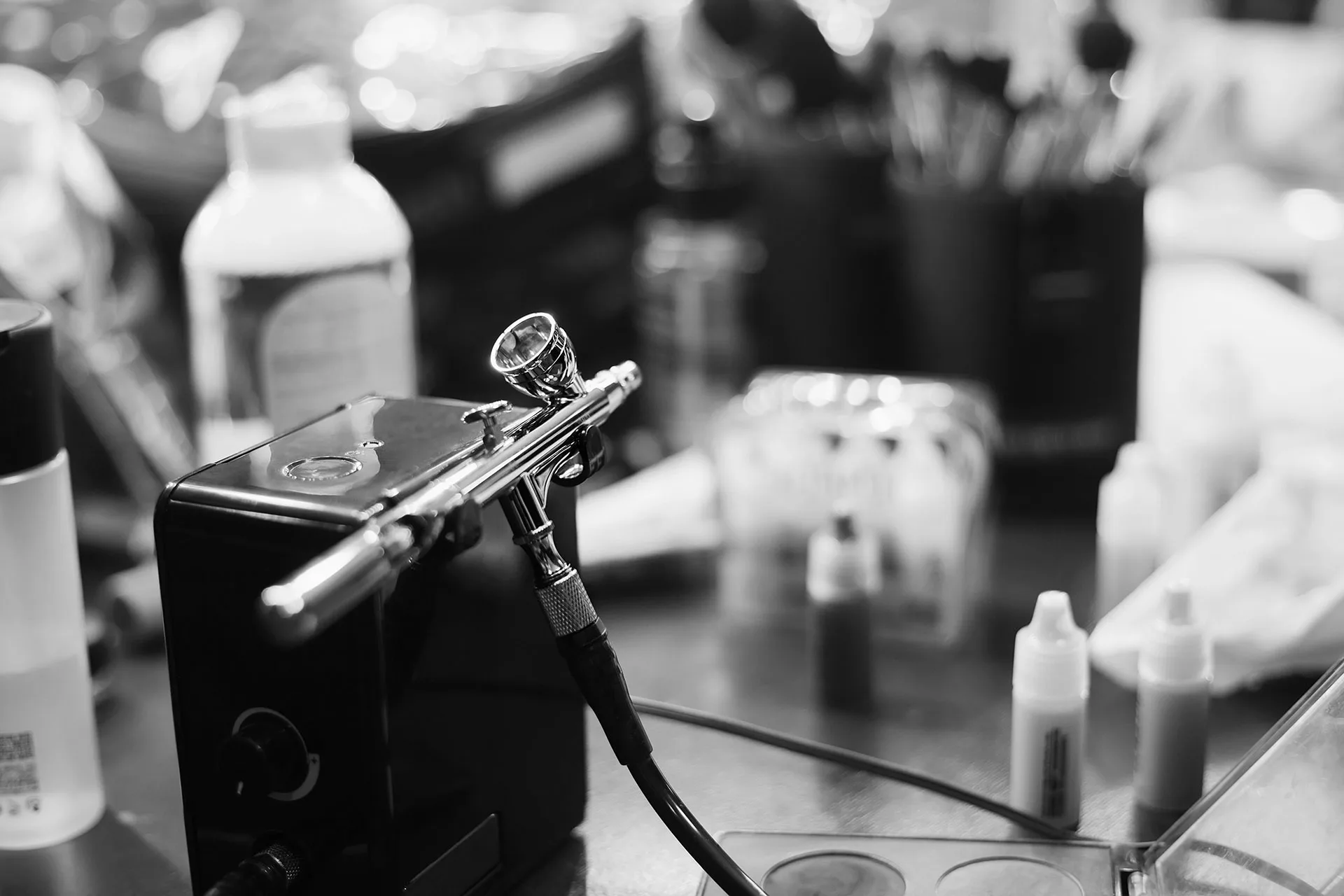
Airbrush is an extremely versatile tool that can be used for a variety of applications from automotive painting to fine art, makeup, cake decorating and even model making. Airbrush Kit with compressor provides a built-in, stable source of pressurized air required to operate the airbrush, making it a complete, self-contained system. Airbrush kits without a compressor, on the other hand, require an external air source, such as a separate compressor or canned air, which can add extra cost and inconvenience, especially for long-term use. Kits with a compressor are more convenient and efficient for continuous, uninterrupted airbrush projects. Here is a guide on how to choose the right airbrush kit with a compressor.
5 Steps to Choosing the Right Airbrush Kit with Compressor
1. Understanding Your Purpose and Needs
Before choosing an airbrush kit, it’s crucial to determine what you will use it for. Different projects require different airbrush types and compressors. For example:
Fine Art and Illustration: A dual-action airbrush is often preferred, as it allows for precise control over both air and paint flow, essential for creating fine details.
Makeup and Beauty: A gravity-feed airbrush works well for makeup applications due to its ability to work at lower pressures and produce a smooth, even finish.
Model Painting: A single-action airbrush may suffice for hobbyists working on models, though advanced users might prefer a dual-action for more control.
Cake Decorating: Food-safe airbrush kits with specific compressors suited for culinary use are a must.
2. Choosing the Right Type of Airbrush
There are two main types of airbrushes to consider: single-action and double-action.
Single-action airbrush: With a single-action airbrush, the trigger only controls the airflow, while paint flow is adjusted separately. This type is simpler to use and often more affordable, making it suitable for beginners.
Double-action airbrush: The dual-action airbrush allows for control over both air and paint flow with a single trigger, giving you more versatility and control. This is ideal for more detailed work and for users with some experience.
Additionally, consider whether you need a gravity feed (where paint is fed from a cup on top) or siphon feed (where paint is drawn up from a bottle below). Gravity-feed airbrushes are more suited for fine detail work, while siphon-feed is better for covering larger areas.
A compressor is the powerhouse of your airbrush kit, supplying the airflow needed to spray the paint. The right compressor should provide consistent airflow and meet the pressure needs of your airbrush. Key factors to consider when choosing a compressor include:
PSI (Pounds per Square Inch): PSI determines the pressure of the airflow. For fine details or delicate applications, a lower PSI (around 10-20) is ideal, while larger projects may require a higher PSI (30-60).
Tank vs. No Tank: Compressors with tanks store air, allowing for smoother airflow without constantly running the motor. This reduces noise and helps the compressor last longer. Tankless compressors are lighter and more portable but may run continuously and produce more noise.
Noise Level: If you are working in a quiet environment or indoors, consider a compressor with low noise levels (measured in decibels). Silent compressors are available but tend to be more expensive.
4. Nozzle and Needle Sizes
The size of the airbrush nozzle and needle will affect the spray pattern and the type of paint or liquid you can use. Smaller nozzles (around 0.2-0.3 mm) are great for fine details and thinner paints, while larger nozzles (0.5 mm or more) are suited for broad coverage and thicker paints or materials.
5. Accessories to Consider
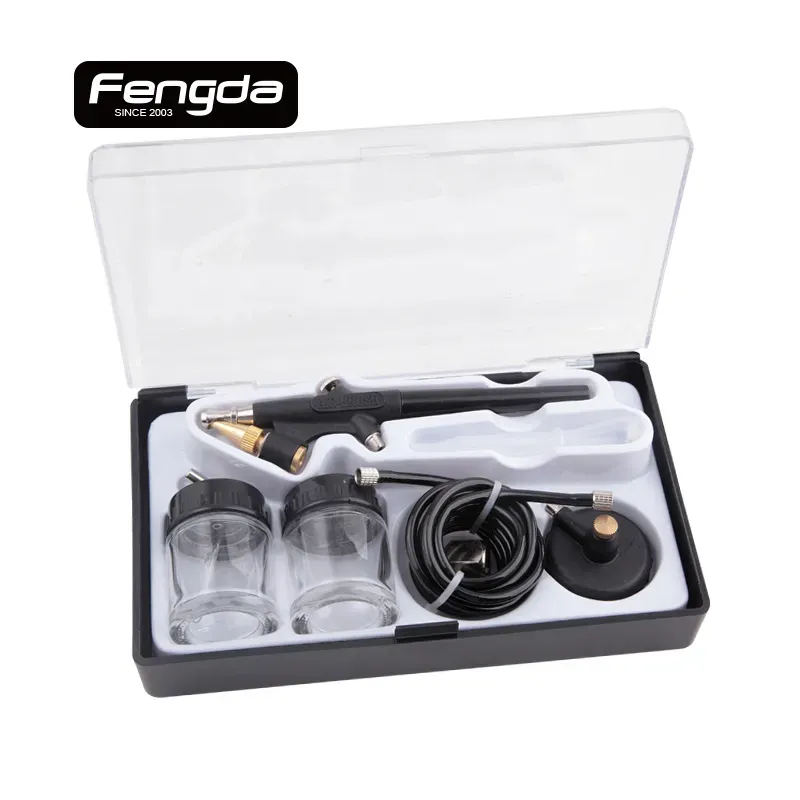
A complete airbrush kit with compressor often includes accessories that enhance your airbrushing experience. Common accessories to look for in a kit include:
Airbrush Hose: Ensures smooth airflow from the compressor to the airbrush.
Cleaning Brushes: Airbrushes require regular cleaning to maintain performance. A good cleaning kit will help you keep your airbrush in top shape.
Moisture Trap: Prevents moisture buildup in the air hose, which can affect the quality of your paint flow.
Extra Nozzles and Needles: Some kits come with interchangeable nozzles and needles to suit different paint viscosities and spray patterns.