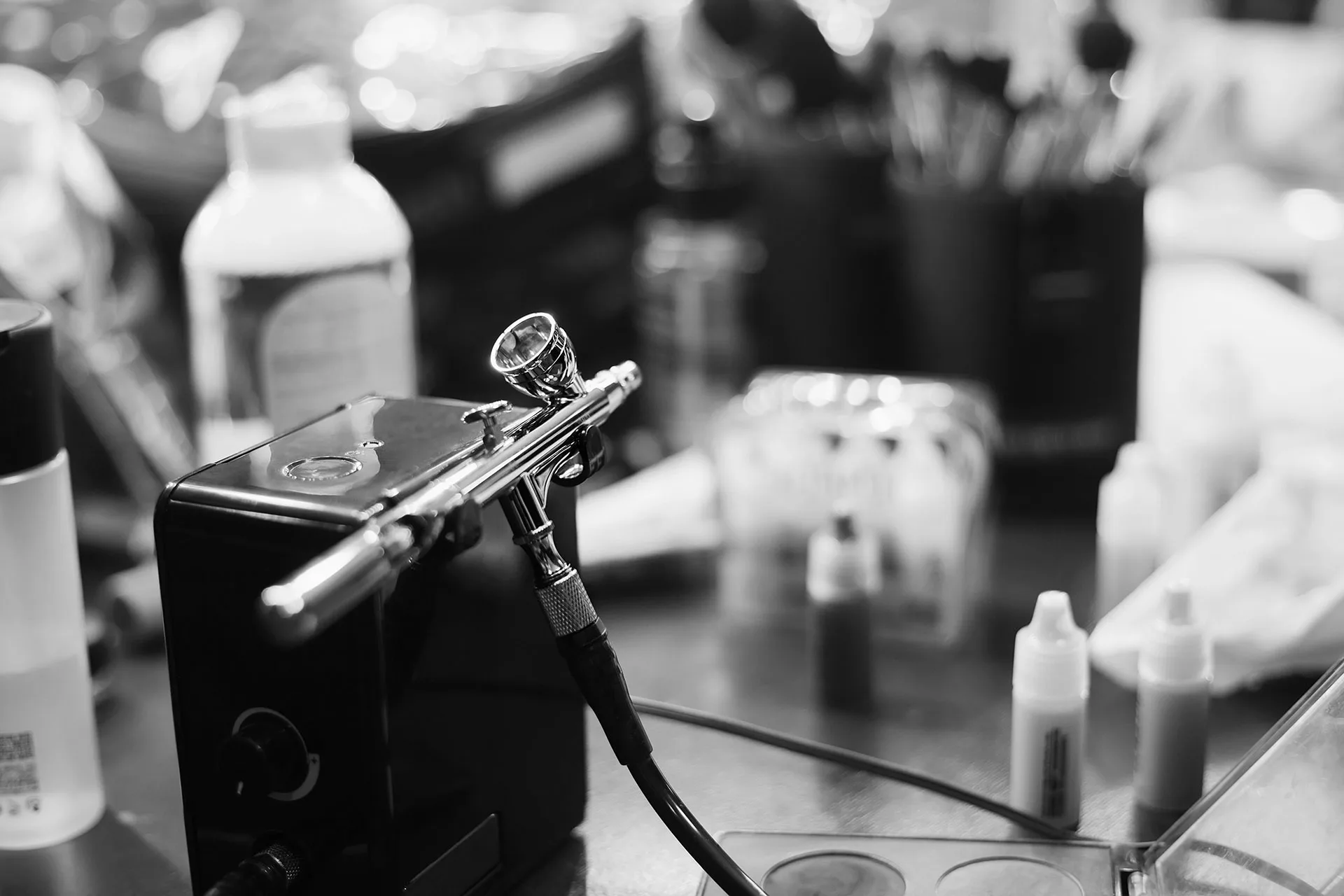
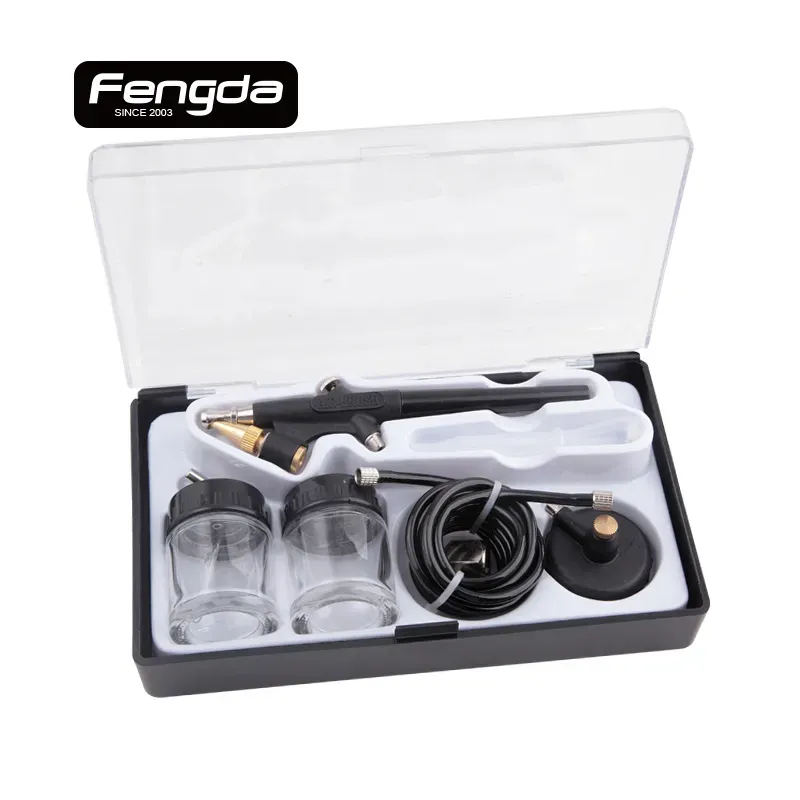
When it comes to creating flawless finishes in painting, makeup, or even cake decorating, an airbrush can be your ultimate tool. However, with so many options available, choosing the right airbrush can be overwhelming. This guide will help you navigate the key factors to consider when buying an airbrush so you can make an informed decision that meets your needs.
1. Understanding the Different Types of Airbrushes
Airbrushes come in various types, each designed for specific applications:
Single-Action Airbrush: This type is easier to use and control, making it ideal for beginners. You control the airflow, and the paint is automatically mixed in the process. It’s great for base coating, spraying larger areas, or applications where precise detail is not as critical.
Double-Action Airbrush: With a double-action airbrush, you control both the air and paint flow independently. This allows for greater control and precision, making it a favorite among professionals for detailed work. It’s perfect for fine art, illustrations, or any project that requires intricate details.
Gravity-Feed Airbrush: In a gravity-feed airbrush, paint is fed into the airbrush using gravity. This design allows for a smaller amount of paint to be used at lower air pressures, making it ideal for detailed work and fine lines. It’s a great choice for makeup artists, illustrators, or hobbyists working on miniature models.
Siphon-Feed Airbrush: Paint is drawn up into the airbrush from a jar below through a siphon tube. This type of airbrush is better suited for larger projects requiring more paint, such as car detailing or murals.
2. Consider Your Application
The type of airbrush you need largely depends on what you’ll be using it for:
Art and Illustration: Look for a double-action, gravity-feed airbrush for detailed work, as it allows for fine control of paint flow.
Makeup and Body Art: For makeup, a gravity-feed airbrush with low-pressure settings is ideal. Ensure the airbrush is compatible with cosmetic products.
Model Painting and Miniatures: A double-action airbrush with a smaller needle size (0.2 mm to 0.3 mm) is best for precise detail work on models and miniatures.
Cake Decorating: If you’re decorating cakes, make sure to choose an airbrush that is food-safe and easy to clean. A single-action, gravity-feed airbrush is often sufficient for this application.
The size of the needle and nozzle in your airbrush affects the fineness of the spray. Here’s a quick guide:
0.2 mm – 0.3 mm: Best for fine details and thin lines, perfect for miniature models, detailed illustrations, and precision work.
0.35 mm – 0.5 mm: Suitable for general-purpose work, medium to larger areas, and applications requiring more paint flow, such as makeup or larger illustrations.
0.5 mm and above: Best for covering larger areas or working with thicker materials like automotive paints, primers, or coatings.
4. Compressors and Air Supply
An airbrush is only as good as its air supply. When choosing a compressor:
Noise Level: If you’re working indoors or in a quiet environment, look for a compressor with a lower noise level (around 40-50 dB).
Tank vs. No Tank: Compressors with a tank offer a smoother air flow, reducing the risk of pulsation, which can affect your finish. Compressors without a tank are more compact but may produce uneven air pressure.
PSI Range: Most airbrushes operate within a PSI range of 10-60. Higher PSI levels are useful for larger projects, while lower PSI is needed for more delicate work like makeup or detailed illustrations.
5. Ease of Cleaning and Maintenance
Airbrushes need regular cleaning to maintain performance and avoid clogging. Look for an airbrush that is easy to disassemble and clean. Additionally, consider the availability of replacement parts, such as needles and nozzles, as wear and tear is inevitable over time.
6. Budget Considerations
Airbrushes can range from under $50 to several hundred dollars, depending on quality and features. While budget models may work for beginners, investing in a higher-quality airbrush will provide better performance, durability, and results. If you’re serious about your work, it’s worth investing in a mid-range to high-end airbrush from reputable brands like Iwata, Badger, or Paasche.
7. Accessories and Additional Features
When purchasing an airbrush, consider any additional accessories that might be necessary, such as:
Airbrush Cleaner: Essential for keeping your airbrush in top condition.
Hoses and Connectors: Make sure your airbrush and compressor are compatible.
Moisture Trap: Helps prevent moisture from entering the airbrush, which can affect the paint flow.
Conclusion
Choosing the right airbrush depends on your specific needs and the projects you plan to undertake. Whether you’re a beginner looking to start small or a professional seeking precision, taking into account the type of airbrush, your intended application, and additional features will ensure you make the best purchase for your creative endeavors. With the right airbrush, you can achieve professional results and bring your artistic visions to life.
Contact us for a wide selection of quality airbrushes and accessories!