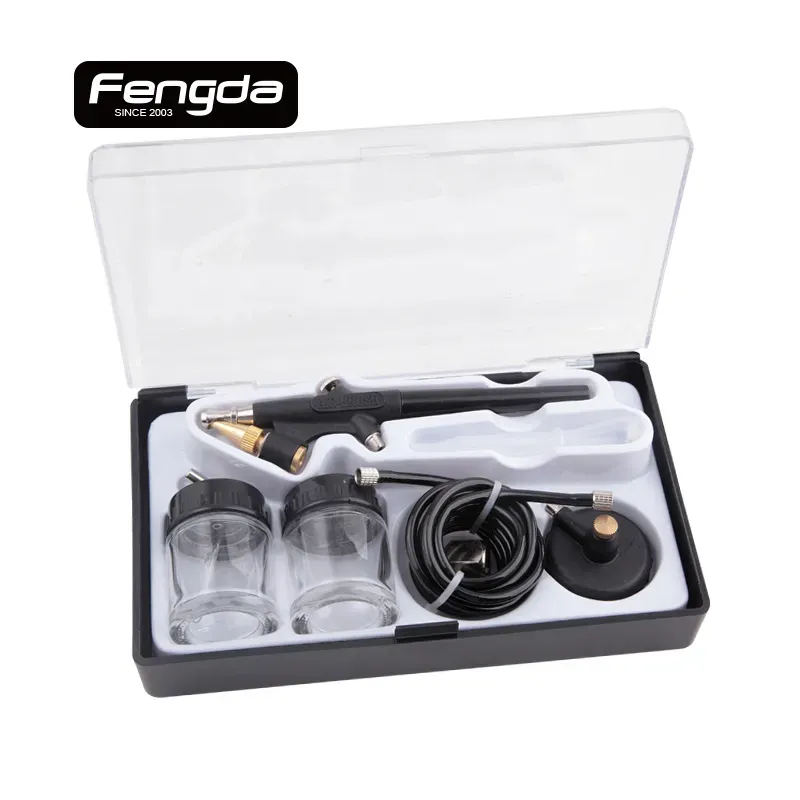
Mini airbrush compressors are essential tools for applications requiring precise air control, such as model painting, cake decorating, and fine art. The performance and efficiency of these compressors largely depend on their drive methods. In 2025, advancements in compressor technology have introduced improved drive mechanisms, enhancing performance, durability, and energy efficiency. This article provides an in-depth comparison of the latest mini airbrush compressor drive methods and offers insights into selecting the best one for your needs.
Mini Airbrush Compressor Drive Methods
Mini airbrush compressors can be categorized based on their drive methods, which influence their power output, efficiency, and noise levels. The primary drive methods include:
- Diaphragm Drive Compressors
- Piston Drive Compressors
- Oil-Free Piston Drive Compressors
- Brushless Motor Drive Compressors
1. Diaphragm Drive Compressors
Working Principle:
Diaphragm compressors use a flexible diaphragm to compress air. The diaphragm moves up and down, creating pressure variations that generate airflow.
Pros:
- Lightweight and compact
- Lower initial cost
- Simple maintenance
Cons:
- Lower air pressure output compared to piston models
- Limited duty cycle (shorter continuous operation time)
- Can be noisy due to rapid diaphragm movement
Best For:
Hobbyists and beginners who require intermittent airbrushing with moderate pressure.
2. Piston Drive Compressors
Working Principle:
A piston-driven compressor uses a reciprocating piston to compress air within a cylinder. This method generates higher pressure compared to diaphragm models.

Pros:
- Higher air pressure and airflow output
- Better durability and longer lifespan
- Suitable for professional airbrushing applications
Cons:
- Heavier and bulkier than diaphragm compressors
- Requires periodic maintenance for lubricated models
Best For:
Professionals and users who need consistent air supply for extended periods.
3. Oil-Free Piston Drive Compressors
Working Principle:
Similar to standard piston compressors but without the need for oil lubrication, reducing maintenance requirements and preventing contamination.

Pros:
- Clean, oil-free air supply
- Lower maintenance than lubricated piston compressors
- More energy-efficient than traditional piston models
Cons:
- May generate more heat due to lack of lubrication
- Slightly lower durability compared to oil-lubricated models
Best For:
Medical, food-grade, and high-precision applications where contamination-free air is essential.
4. Brushless Motor Drive Compressors
Working Principle:
Brushless motors use electronic commutation instead of mechanical brushes, reducing friction and improving energy efficiency. These motors drive either a piston or diaphragm compression system.
Pros:
- Longer lifespan due to reduced wear and tear
- More energy-efficient and quieter operation
- Compact and lightweight design
Cons:
- Higher initial cost compared to traditional models
- Requires electronic speed control integration
Best For:
Advanced users and professionals looking for a high-efficiency, durable, and quiet compressor.
How to Choose the Right Mini Airbrush Compressor Drive Method?
When selecting a mini airbrush compressor, consider the following factors:
1. Application Requirements:
- For casual or hobbyist use: Diaphragm Drive
- For professional artwork and long sessions: Piston Drive
- For medical or food applications: Oil-Free Piston Drive
- For maximum efficiency and longevity: Brushless Motor Drive
2. Air Pressure & Airflow Needs:
- Low-pressure applications: Diaphragm Drive
- High-pressure applications: Piston or Brushless Drive
3. Noise Considerations:
- Quieter options: Oil-Free Piston or Brushless Motor
4. Maintenance & Durability:
- Low-maintenance: Oil-Free Piston or Brushless Motor
- Long-term durability: Piston or Brushless Drive
5. Budget:
- Cost-effective: Diaphragm Drive
- Mid-range: Piston Drive
- High-end performance: Brushless Motor Drive
Choosing the right mini airbrush compressor depends on your application needs, budget, and performance expectations. For hobbyists, a diaphragm or piston compressor may suffice, while professionals may prefer oil-free piston or brushless motor models for enhanced performance.
Explore our top-rated mini air compressors for airbrush and unlock studio-quality results anywhere. Contact us for personalized recommendations!