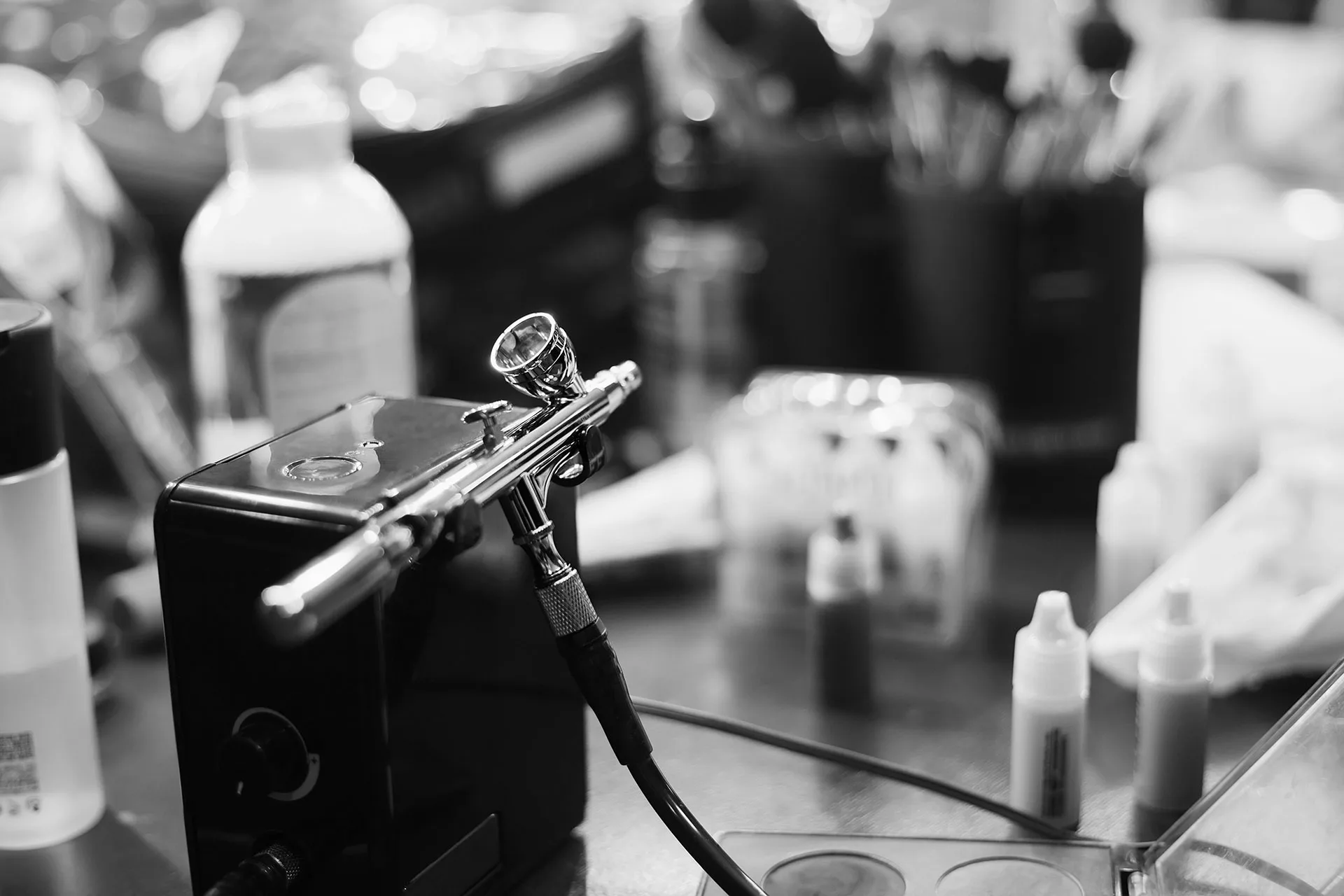
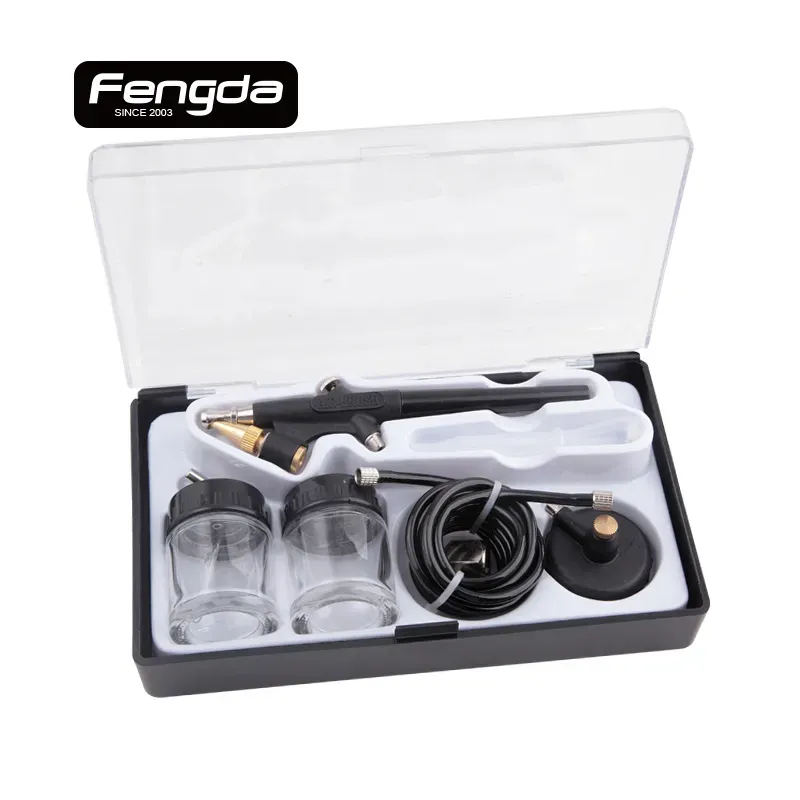
A mini airbrush compressor is a small, portable device designed to supply a consistent flow of compressed air to an airbrush. This allows for smooth and controlled application of paint, making it ideal for detailed work. These compressors are typically lightweight, quiet, and easy to use, making them perfect for both beginners and experienced artists.
Understanding Mini Airbrush Compressors
A suitable mini airbrush compressor can enhance your flexibility in using an airbrush, allowing for more precise painting of your artwork or models. It’s essential to understand the features and specifications of mini airbrush compressors to select the right one for efficient creation.
1. Pressure Range: Most mini compressors offer a pressure range of 10-30 PSI (pounds per square inch). This range is suitable for various painting tasks, from detailed fine work to broader strokes.
2. Portability: These compressors weigh between 1-5 pounds, making them easy to transport and store.
3. Noise Level: Mini compressors are designed to operate quietly, typically below 50 decibels, making them suitable for indoor use without causing disturbance.
4. Power Source: They can be powered by standard electrical outlets or rechargeable batteries, providing flexibility for different work environments.
5. Single Piston Oil-Free Compressors: Equipped with an air storage tank (pressure vessel) and an output pressure regulator with a gauge, these compressors have a significant advantage: the presence of a pressure vessel. Once the desired pressure is reached, the compressor automatically shuts off. It will turn on again when the pressure in the tank drops.
Setting Up Your Mini Airbrush Compressor
Assembly: Connect the airbrush to the compressor using the provided hose. Ensure all connections are secure to prevent air leaks.
Adjusting Pressure: Set the compressor to the desired PSI based on the type of painting you plan to do. Lower pressures (10-15 PSI) are ideal for fine details, while higher pressures (20-30 PSI) are better for larger areas.
Testing: Before starting your project, test the airbrush on a scrap piece of paper or material to ensure the paint flow and pressure are adjusted correctly.
Techniques for Effective Airbrushing
Control and Consistency: Maintain a consistent distance (usually 1-6 inches) between the airbrush and the surface. This helps in achieving even coverage and prevents paint from pooling or dripping.
Layering: Apply paint in thin layers, allowing each layer to dry before adding the next. This technique helps in building depth and achieving smooth gradients.
Masking: Use masking tape or stencils to protect areas you don’t want to paint. This is particularly useful for creating sharp lines and intricate designs.
Cleaning: Regularly clean the airbrush to prevent clogs and ensure smooth operation. Use a cleaning solution appropriate for the type of paint you’re using.
Choose the Right Paint and Thinning
Selecting the right type of paint is vital for smooth operation. Acrylics, enamels, and watercolors are popular choices. Airbrush paints are pre-thinned, but if you use regular paint, it must be thinned to the correct consistency. A general rule is to thin the paint to the consistency of milk. Use the manufacturer’s thinner or a suitable alternative, and mix thoroughly to avoid clogging.
Safety First
While using a mini airbrush compressor is generally safe, follow these precautions:
Ventilation: Work in a well-ventilated area to avoid inhaling fumes. Use a spray booth or wear a mask if necessary. If necessary, you can also add an airbrush spray booth, which can extract fumes and reduce the smoke produced by the airbrush and materials. This is ideal for painting models, small parts, ceramics, radio models, and more.
Eye Protection: Wear safety goggles to protect your eyes from overspray.
Fire Safety: Keep the workspace free of flammable materials, especially when using solvent-based paints.
Maintain Your Equipment
Proper maintenance of your mini airbrush compressor is essential for longevity and performance:
Cleaning: After each use, clean the airbrush thoroughly. Disassemble the nozzle and needle, and clean with the appropriate cleaner. Prevent paint from drying inside the airbrush to avoid clogs.
Lubrication: Periodically lubricate the moving parts of the airbrush with a suitable lubricant to ensure smooth operation.
Filter Maintenance: If your compressor has an air filter, check and replace it regularly to prevent moisture and debris from entering the airbrush.
Practical Applications
Model Making
Mini airbrush compressors are popular among model makers for painting miniatures, scale models, and dioramas. For instance, when painting a model airplane, you can use low pressure (around 15 PSI) for detailed cockpit work and higher pressure (25-30 PSI) for the larger fuselage.
Art and Illustration
Artists use airbrushes for creating detailed illustrations and fine art. For example, when painting a portrait, you can achieve realistic skin tones and smooth transitions by layering different shades at low pressure.
Custom Automotive and Helmets
Customizing automotive parts and helmets with airbrush designs is another exciting application. Higher pressures (20-30 PSI) are typically used for applying base coats, while lower pressures (10-15 PSI) are perfect for intricate details and highlights.
Conclusion
A mini airbrush compressor can transform your painting projects, offering precision and creativity. By understanding your equipment, setting the correct air pressure, choosing the right paint, practicing techniques, maintaining your tools, and ensuring safety, you can achieve professional-quality results. Embrace the versatility of your mini airbrush compressor and explore new artistic possibilities.
As a professional manufacturer of airbrushes and airbrush compressors, Fengda offers a wide range of airbrushes and compressors to help you achieve your artistic creations. Contact us to get high-quality airbrushes and compressors.