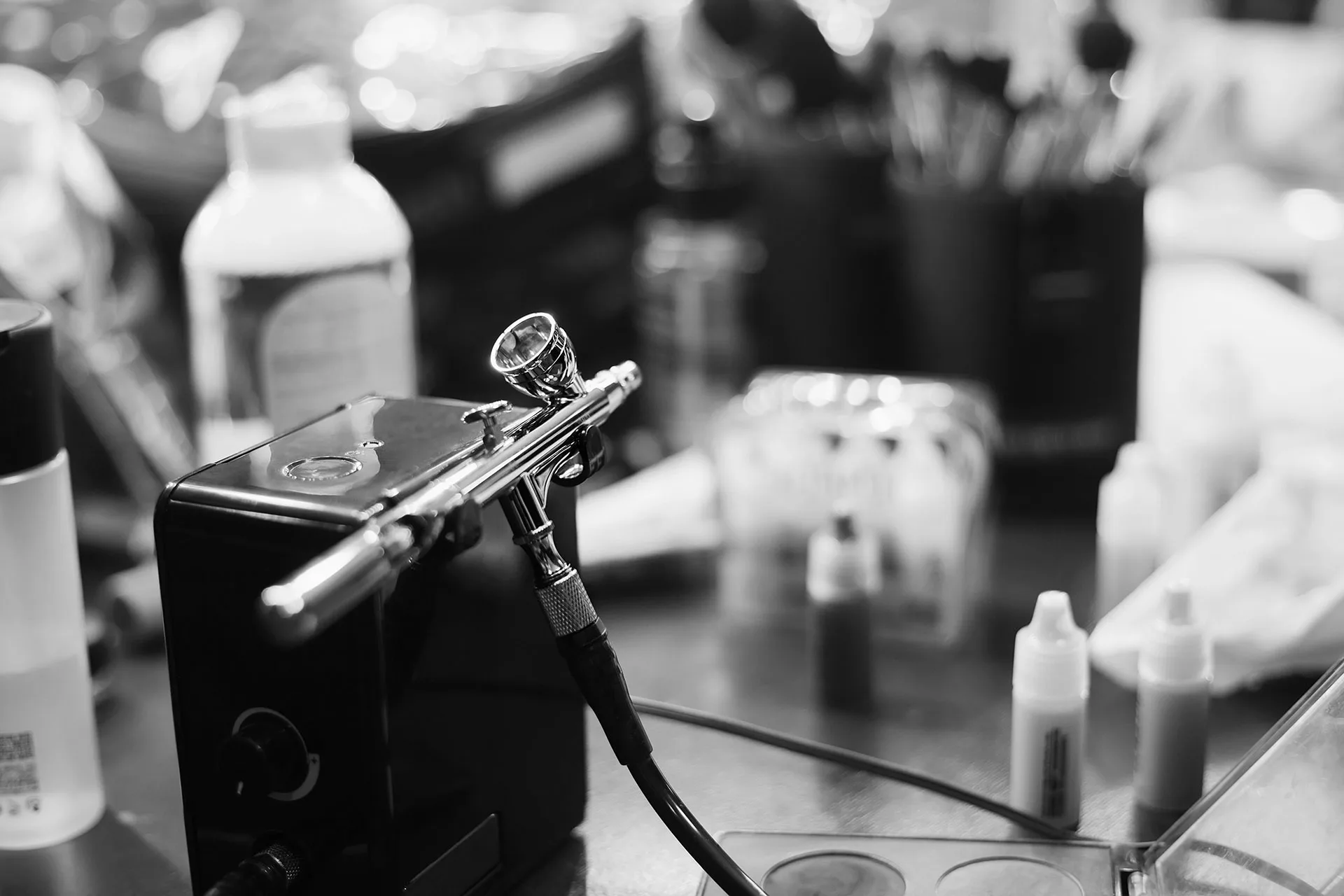
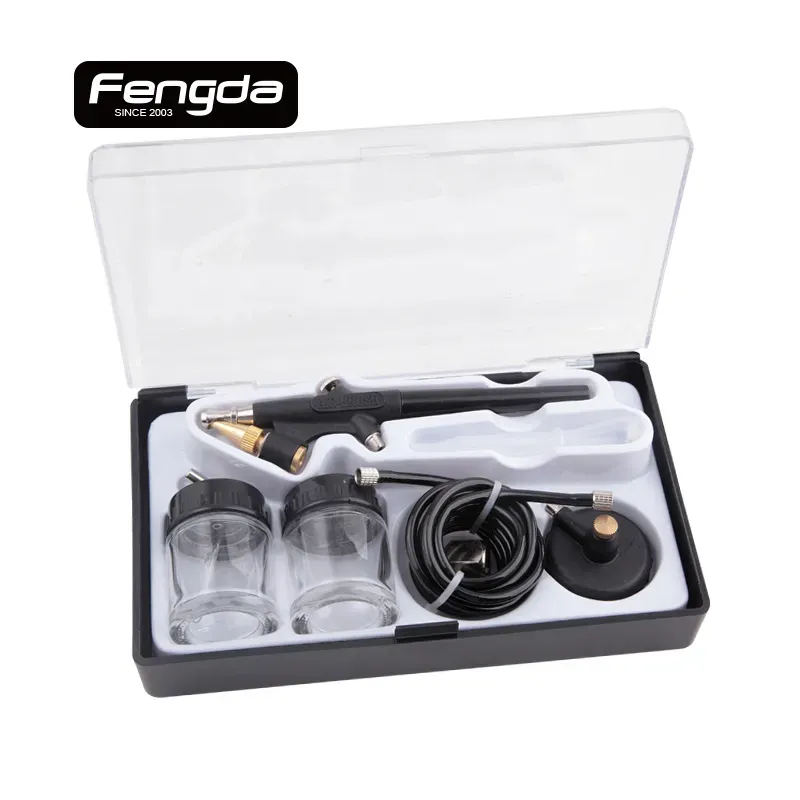
Airbrush painting models require attention to detail, skill, and the right tools. One of the essential tools to achieve perfect results is the airbrush nozzle. Choosing the best airbrush nozzle size is essential to ensure even coverage, fine details, and perfect results. But how do you determine the best airbrush nozzle size for your modeling needs? Let’s get into the details.
Airbrush nozzles come in various sizes, each designed for specific types of work. The nozzle size refers to the diameter of the orifice where paint is released. The size affects the flow of paint and the precision of the application.
Common sizes range from 0.2 mm to 1.5 mm or larger.
Smaller tips provide a finer, more controlled spray.
Larger tips are better for covering large areas and thicker coatings, such as primers or clearcoats.
Best Airbrush Nozzle Size for Modeling
When creating models—whether scale vehicles, figures, or miniatures—the size of the airbrush nozzle you choose depends on the level of detail required and the type of paint you’re using. Here’s a breakdown of nozzle sizes and their ideal applications:
1. Small Nozzles: 0.2mm to 0.3mm
Airbrushes with smaller spray nozzles work by producing fine mist and excellently controlling the flow of paint, allowing for precise application in small areas or fine details.
Excellent for handling thicker paint types or clear coats while maintaining good control.
Disadvantages
Lacks precision, making them unsuitable for intricate details.
Higher potential for overspray or uneven coverage if not carefully managed.
Factors to Consider When Choosing a Nozzle
Type of Paint: Thick paints require larger nozzles, while thinner paints work best with smaller sizes. Always ensure your paint is properly thinned to avoid clogging.
Model Scale: Small models benefit from smaller nozzles to avoid overspray, while larger models may require medium to large nozzles for efficiency.
Desired Finish: For smooth base coats, medium nozzles work well. For fine details, choose smaller sizes.
Airbrush vs. Spray Gun: Airbrushes are better suited for small nozzle sizes (0.2-0.5mm), while spray guns are ideal for larger nozzles used in broader applications.
Tips for Optimizing Spray Performance
Test Spray First: Always test your spray on scrap material to ensure the paint flow and coverage meet your expectations.
Thin Paint Correctly: Improperly thinned paint can clog your nozzle, affecting the quality of your work.
Adjust Air Pressure: High pressure can cause overspray, while low pressure may result in uneven coverage.
The best airbrush nozzle size for models ultimately depends on the specific task at hand. For intricate details and shading, a 0.2mm to 0.3mm nozzle is unbeatable. For versatile use, a 0.4mm to 0.5mm nozzle strikes the right balance. Larger projects or base coats benefit from 0.6mm to 1.0mm sizes. By understanding your needs, paint types, and project scale, you can confidently choose the right nozzle for a flawless modeling experience.